Article: The Red Wall: How Welsh Football Found Its Voice
The Red Wall: How Welsh Football Found Its Voice
There is a moment in football support that transcends the game itself. When the noise stops being about tactics or results and becomes something deeper. Something that says we are here, we exist, we matter. For Welsh football, that moment has a name.
Y Wal Goch. The Red Wall.
It did not happen overnight. Welsh football had passionate supporters long before the phrase existed. Fans who travelled to away qualifiers in near-empty stadiums, who followed a team that had not qualified for a major tournament since 1958, who kept showing up anyway because that is what you do when something is in your blood.
But something shifted in the years leading up to Euro 2016. A generation of Welsh footballers emerged that genuinely believed they could compete at the highest level. Gareth Bale had become one of the best players in the world. Aaron Ramsey was a Champions League winner. Chris Coleman had built a team with genuine belief and genuine togetherness.
The supporters felt it too.
France 2016
When Wales qualified for Euro 2016 it was the first time a generation of Welsh football fans had seen their national team at a major tournament. For many it was the moment they had waited their entire lives for. The response was extraordinary.
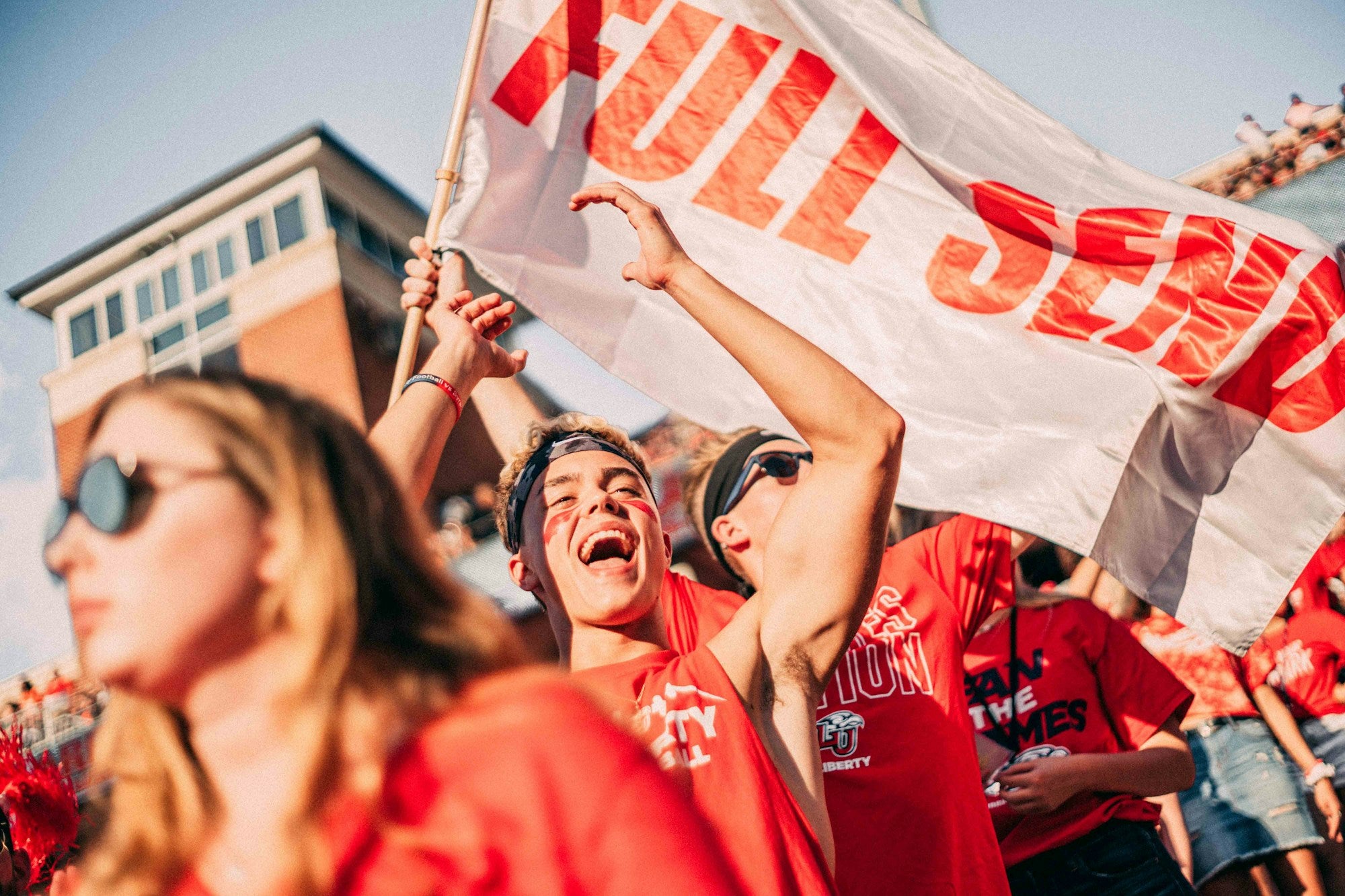
Thousands of Welsh supporters descended on France. Bordeaux. Paris. Lens. Toulouse. They wore red. They sang. They created an atmosphere that stopped people in their tracks and made the world pay attention to a nation of three million people that had spent decades on the outside looking in.
The Welsh support was ranked among the best at the entire tournament. Not just for noise but for spirit. For the way they carried themselves. For the joy they brought to every city they visited. French locals who had never given Wales a second thought found themselves charmed by fans who sang through the rain, who celebrated with strangers, who wore their identity with a pride that was impossible to ignore.
Wales beat England. They beat Russia. They qualified from the group in second place. They beat Northern Ireland in the last sixteen. They beat Belgium, the number one ranked team in the world at the time, in the quarter finals. They reached the semi final of a European Championship.
Nobody had seen it coming. Everyone who was there will never forget it.
More Than a Name
Y Wal Goch was not a marketing campaign. It was not invented by the Football Association of Wales or dreamed up in a boardroom. It emerged organically from the supporters themselves. A way of describing what they had become. A wall of red that followed the team across a continent and refused to be quiet.
The name stuck because it was true. Welsh fans do not just attend matches. They become part of them. The noise from the Welsh end at any ground, home or away, is a physical thing. You feel it before you hear it.
It also captured something about Welsh identity more broadly. The Welsh have always had to fight to be heard. A small nation bordered by a much larger one, with a language that was actively suppressed for generations, with a culture that outsiders have consistently underestimated. The Red Wall became a symbol of that refusal to be ignored. We are here. We are loud. We are not going anywhere.
The Language of the Red Wall

Walk into the Welsh end at any home game at Cardiff City Stadium and you will hear the language. Welsh. Not exclusively but naturally. Cymru. Wal Goch. Mae hen wlad fy nhadau. The national anthem sung with a passion that makes the hairs on the back of your neck stand up regardless of whether you understand every word.
That bilingual identity is part of what makes Welsh support distinctive. It is not performed for anyone else. It is simply what it is. Welsh fans are Welsh first and football fans second and the two things are completely inseparable.
After 2016
The summer of 2016 changed Welsh football permanently. The Red Wall grew. Younger fans who had watched from a distance decided they wanted to be part of it. Supporters clubs multiplied. The red shirts spread further.
Wales qualified for the 2020 European Championship. They qualified for the 2022 World Cup, ending a 64-year wait to stand on the biggest stage in football. Each campaign brought more people into the fold. Each away trip added new voices to the wall.
The Red Wall is no longer just a phrase. It is an identity. A community. A way of saying that you belong to something that stretches beyond ninety minutes of football and reaches into something much more fundamental about what it means to be Welsh.
It is the sound of a nation that spent too long being overlooked deciding that it would not be overlooked any more.
And it is only getting louder.
Wear The Red Wall. Explore our Welsh football clothing and gifts — original designs celebrating the players, the supporters, and the pride that defines Cymru.