Welsh Identity: What It Means to Feel Welsh
Nobody chooses to be Welsh.
You do not wake up one morning and decide that you are going to feel a lump in your throat when the national anthem plays. You do not choose to care deeply about what happens to a rugby or football team representing a country of three million people on the western edge of Britain. You do not select Welsh identity from a menu of available options and decide it suits you.
It is just there. From the beginning. Woven into you before you are old enough to understand what it means.
This is an attempt to describe what Welsh identity actually feels like from the inside. Not the tourist version. Not the shorthand of red dragons and daffodils and Male Voice Choirs, though all of those things are real and meaningful in their own right. The actual lived experience of being Welsh in the world today.
The Feeling Before the Words
Ask most Welsh people when they first became aware of being Welsh and they will struggle to give you a precise answer. It is not usually a single moment of realisation. It is more like a gradual accumulation of feelings and experiences and small moments that eventually add up to an identity.
It might be the first time you heard the national anthem sung properly — not recorded but live, by real people who meant it. The way it starts quietly and builds until it feels like the sound is coming from somewhere deep inside the earth rather than from human throats.
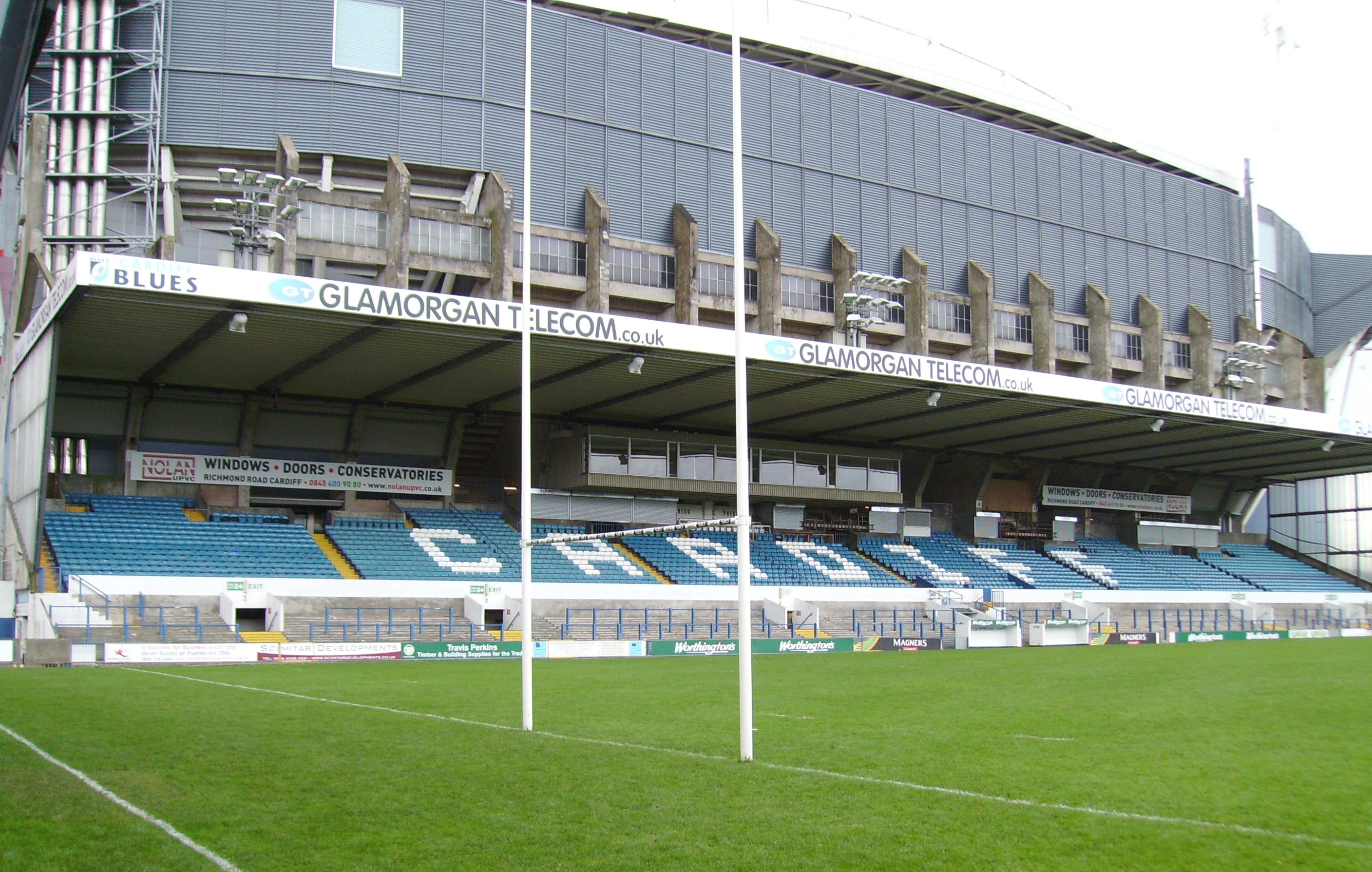
It might be the first time Wales won something that mattered. A rugby match against England. A football qualifier that nobody expected them to win. The particular joy of a small nation beating a larger one is different from any other sporting emotion. It carries within it something about history and survival and refusing to accept the role that others have assigned to you.
It might be hearing Welsh spoken naturally — not performed for a tourist or demonstrated in a classroom but used between two people who grew up with it as their first language. Even if you do not speak Welsh yourself there is something in that sound that feels like home in a way that is difficult to articulate.
It might simply be driving over the border from England into Wales and feeling something settle in your chest. A relaxation of something you did not know was tense.
The Geography of Welsh Identity
Wales is a small country with enormous geographical variety and that variety shapes Welsh identity in ways that sometimes surprise people from outside.
North Wales and South Wales are not the same place in any meaningful cultural sense. The Welsh spoken in Gwynedd is different from the Welsh spoken in Ceredigion. The communities of the south Wales valleys, shaped by the coal industry and nonconformist religion and a particular kind of collective working class culture, are different from the farming communities of mid Wales or the coastal towns of the north.
Cardiff, the capital, is different again. A city that has grown rapidly in recent decades, that has a large student and young professional population, that is becoming more Welsh speaking not less, but that carries within it a complex relationship with the rest of Wales that is sometimes affectionate and sometimes fractious.
All of these places are Wales. All of these people are Welsh. But Welsh identity is not a single monolithic thing. It is a collection of overlapping identities held together by language, history, landscape and the shared experience of being a small nation navigating its relationship with a much larger neighbour.

The English Question
You cannot talk about Welsh identity without talking about England. Not because Wales is defined by England but because the relationship between the two countries is so long and so complicated that it has inevitably shaped what it means to be Welsh.
Wales was conquered by England in 1282. The Welsh language was suppressed in English schools. Welsh natural resources were extracted to fuel English industrial expansion. The Acts of Union in the sixteenth century incorporated Wales into the English legal and political system in ways that erased many of the distinctions between the two countries.
And yet Wales survived. The language survived. The culture survived. The identity survived.
That survival is not accidental. It required conscious effort from generations of Welsh people who chose to maintain what they had rather than allow it to be absorbed. The eisteddfod tradition. The Welsh language schools. The campaigns for devolution. The revival of Welsh language broadcasting. None of these things happened by themselves. They happened because Welsh people decided they mattered.
The result is an identity that is proud without being aggressive. Welsh people do not spend much time thinking about England. They spend their time thinking about Wales.
When Wales beats England at rugby or football it is joyful. Of course it is. History makes it joyful. But Welsh identity does not depend on England losing. It stands on its own.
The Diaspora Experience
There are more people of Welsh descent living outside Wales than inside it. The Welsh diaspora stretches to England, America, Australia, Canada, Patagonia and beyond. Communities that formed during the industrial revolution, when Welsh workers emigrated to find opportunities that Wales could not provide, or during the agricultural depression of the nineteenth century, or more recently as young Welsh people have moved to cities elsewhere in pursuit of work and education.
For diaspora Welsh people the experience of identity is intense in a particular way. Distance clarifies things. When you are not surrounded by the everyday evidence of where you come from, the things that connect you to it become more precious and more deliberate.
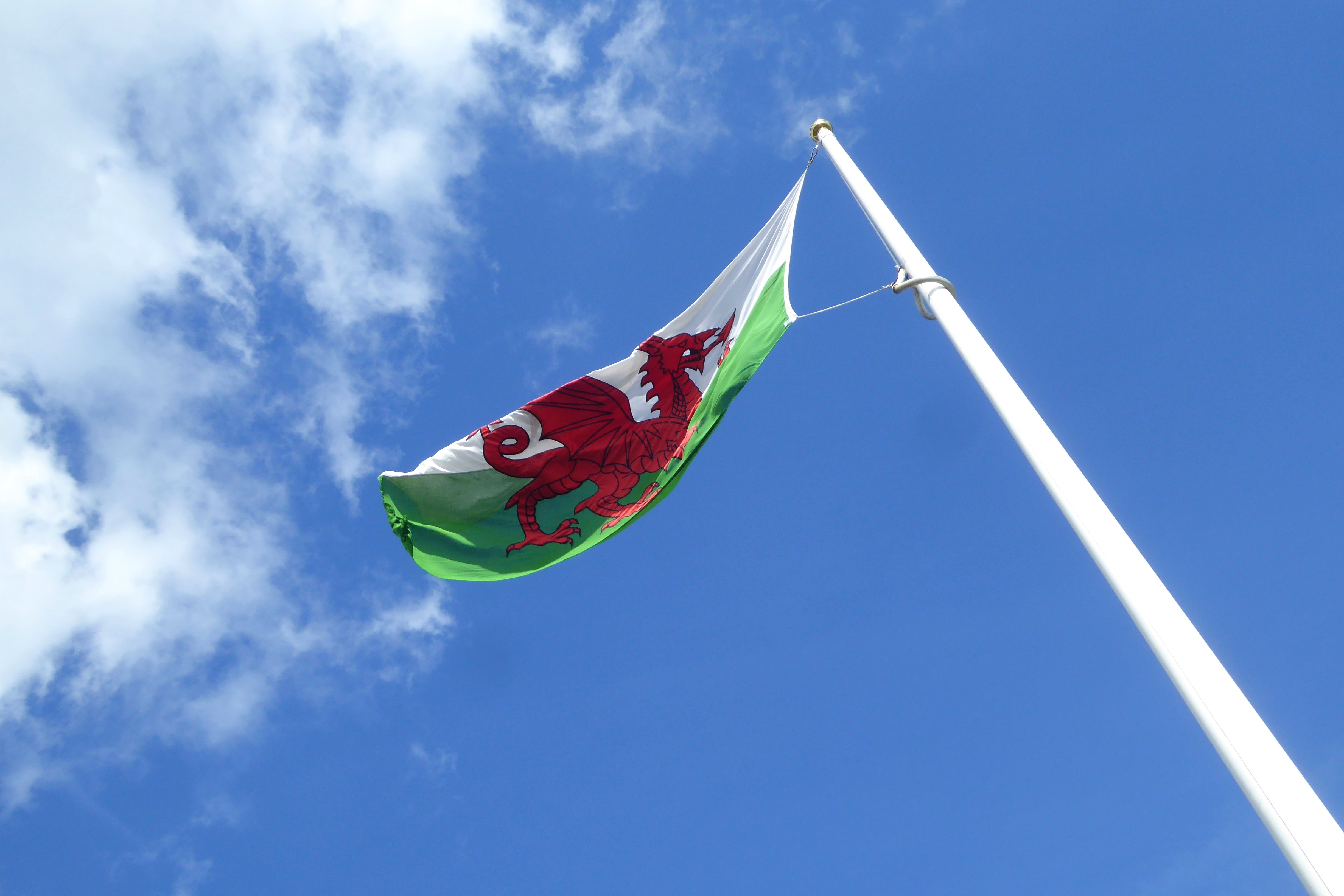
Welsh diaspora communities have historically been extraordinarily good at maintaining cultural connections. Welsh chapels in Pennsylvania and Ohio. Welsh speaking communities in Patagonia that have maintained the language for over 150 years. St David’s Day celebrations in cities across the world where Welsh people gather to mark their identity in a foreign place. For many, a small piece of Wales in a pocket or on a desk — a Welsh dragon keyring, a mug that carries the language on its side — is the quiet, daily thread that connects them to home.
The hiraeth that diaspora Welsh people feel for home is real and specific. It is not nostalgia for a place that never existed. It is longing for an actual place, an actual language, an actual community that is genuinely elsewhere.

What Being Welsh Means Now
Welsh identity in the mid-2020s is more confident than it has been for a long time. Devolution has given Wales its own government and its own legislature. The Welsh language is growing among younger generations. Welsh culture, from literature to music to film to sport, is producing work of genuine quality and international reach.
There is a generation of young Welsh people who are proud of being Welsh in a way that feels different from previous generations. Not defensive. Not apologetic. Not constantly explaining themselves to people who do not understand why it matters. Just Welsh. Confidently, unapologetically, joyfully Welsh. That confidence is exactly what sits behind a Red Wall Cymru T-Shirt — no explanation required.
That confidence does not mean the challenges are over. Wales is one of the poorer parts of the United Kingdom. Significant parts of the country have been left behind economically in ways that cause real hardship. The Welsh language still faces pressures that threaten its long term survival in its traditional heartlands. The relationship between Welsh identity and British identity remains complicated in ways that the constitutional debates of recent years have made more rather than less complex.
But the identity itself is secure in a way that would not have been guaranteed fifty years ago.
The Thing That Cannot Be Explained
At the end of all of this, Welsh identity resists complete explanation. It is easier to feel it than to describe it. Easier to recognise it in someone else than to define precisely what it consists of.
It is the national anthem. It is the landscape. It is the language, whether you speak it or not. It is the history — the long complicated history of a small nation that has been pushed around and diminished and overlooked and has refused, generation after generation, to disappear.
It is following a rugby or football team not because you think they will win but because they are yours and that is enough.

It is the particular pride of coming from somewhere that most of the world does not think about very often and knowing that it is worth thinking about. That it has produced extraordinary people and extraordinary culture and extraordinary moments and that more are coming.
It is not a choice. It is not a performance. It is not a costume you put on for rugby internationals and St David’s Day and take off again the rest of the time.
It is just what you are.
And once you feel it, you never stop.
Welsh identity is something you carry with you. Our Welsh gifts collection is full of pieces made for people who feel it — from the Welsh keyrings that go in every pocket to the Welsh T-Shirts that say it out loud. Explore the full Welsh Designs collection and find something that is yours.