
What Does Hiraeth Actually Mean? The Untranslatable Welsh Word
There is a word in Welsh that has no direct translation in English. Linguists have tried. Poets have attempted it. Travel writers reach for it when they want to add a touch of Celtic mysticism to a piece about Wales.
They all fall short.
The word is hiraeth. And if you are Welsh, or if you have spent any meaningful time among Welsh people, you already know what it means without being able to explain it. That is rather the point.
This is an attempt to explain it anyway.
What the Dictionary Says
The standard dictionary definition of hiraeth translates it as longing, homesickness or nostalgia. A yearning for something lost or distant. A grief for a home you cannot return to or a past that no longer exists.
That is accurate as far as it goes. But it does not go nearly far enough.
Hiraeth is not simply missing somewhere or someone. It is a more complex emotional state than that. It carries within it a sadness that is not quite grief, a longing that is not quite hope, a connection to place and people and time that feels simultaneously beautiful and painful.
The closest English comes is perhaps the Portuguese word saudade, which describes a similar bittersweet longing. But even that is not quite the same thing.
Hiraeth is specifically Welsh. It belongs to a particular landscape, a particular history and a particular experience of being in the world.
Where It Comes From
The word appears in Welsh literature going back centuries. It is woven into the poetry of the medieval bards, into the hymns of the nonconformist chapels, into the folk songs that Welsh communities carried with them when they left Wales for the coal fields of Pennsylvania or the valleys of Patagonia.
That last point is significant. Hiraeth is not just a word for people who stayed in Wales. It is a word that travelled with the Welsh diaspora and became if anything more potent in the leaving.
Welsh communities in England, America, Australia and Argentina have carried hiraeth with them for generations. The word for the specific ache of being Welsh somewhere that is not Wales. Of hearing the language on a recording and feeling something shift in your chest. Of watching Wales play football or rugby from a pub far from home and feeling both completely present and profoundly elsewhere at the same time.

The Landscape Connection
Part of what makes hiraeth distinctly Welsh is its connection to landscape. Wales is a country of extraordinary physical beauty. The mountains of Snowdonia. The Brecon Beacons. The Pembrokeshire coast. The green valleys of the south. The wild beaches of the Llŷn Peninsula.
Welsh people carry these landscapes inside them even when they are far away. The hiraeth that a Welsh person feels for home is not just for family or community or language. It is for the specific quality of light on a Welsh hillside. For the particular green of a Welsh valley after rain. For the sound of the wind coming off the sea at Rhyl or Barmouth or Aberystwyth.

This landscape hiraeth is something that Welsh poets have returned to again and again throughout literary history. The land and the longing are inseparable.
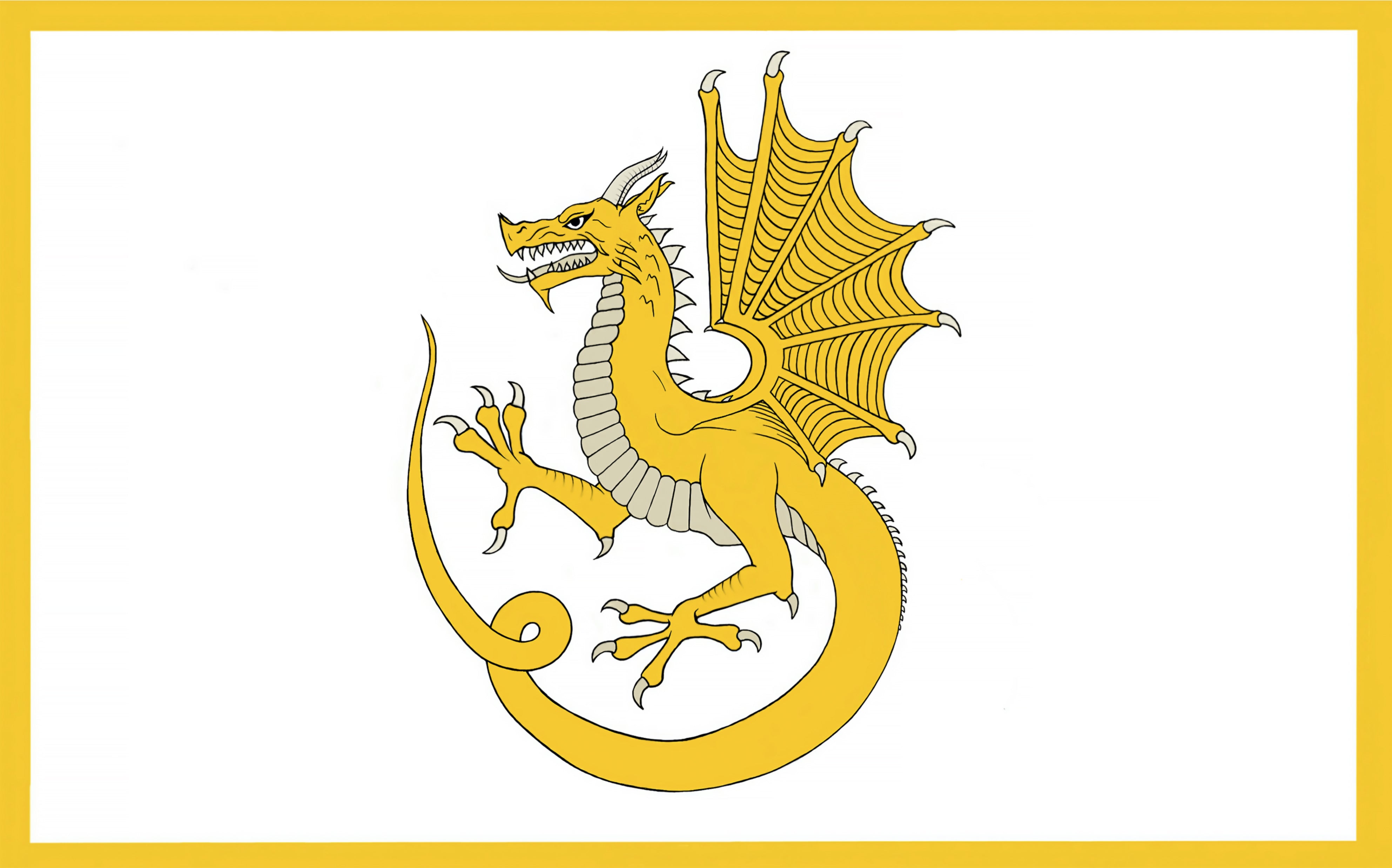
For those living away from Wales, carrying something that connects you to home is its own small act of defiance against distance. Our Welsh mugs — including designs that put the Welsh dragon and the word hiraeth itself front and centre — are the kind of quiet reminder that belongs on a desk or a shelf in a flat far from home.
Hiraeth and the Welsh Language
There is a particular layer of hiraeth that attaches itself to the Welsh language. A language that was actively suppressed for generations, that was punished in schools through instruments like the Welsh Not, that was for a long time in genuine danger of disappearing entirely.
Welsh speakers who grew up in communities where the language was spoken naturally, who then moved away or watched those communities change, often describe a hiraeth for the language itself. Not just for a place but for a way of being in the world that comes specifically through Welsh.
The revival of the Welsh language over the past fifty years, through Welsh medium schools and S4C and deliberate cultural policy, has given something back. But the hiraeth for what was nearly lost, for the communities and the culture that did not survive, sits alongside the revival like a shadow.
What It Is Not
It is worth being clear about what hiraeth is not, because the word has been somewhat co-opted in recent years by the wellness industry and the tourist trade.
Hiraeth is not a charming quirk of Celtic culture. It is not a mood you can bottle or a feeling you can manufacture by lighting a candle and putting on some harp music. It is not a marketing concept.
It is a genuine emotional experience rooted in a specific history of displacement, cultural suppression and the particular condition of being part of a small nation that has had to fight to maintain its identity against considerable pressure.
When Welsh people use the word they are not being whimsical. They are describing something real.
Why It Matters Today
In a world where questions of identity, belonging and home are more contested than ever, hiraeth feels increasingly relevant beyond Wales.
The experience of longing for a place or a culture or a version of yourself that exists somewhere between memory and imagination is not uniquely Welsh. But Wales has a word for it. A word that acknowledges the complexity of that feeling rather than trying to resolve it.
Hiraeth does not ask you to get over it or move on or look on the bright side. It simply names the feeling and lets it exist. There is something quietly radical about that.
For Welsh people living away from Wales, hiraeth is a companion. A reminder of where you come from and what that means. A thread that connects you to something larger than yourself even when you are far from home.
For Welsh people still in Wales, hiraeth can be a connection to what came before. To the generations who built the chapels and sang in the choirs and worked the mines and spoke the language in the face of everything that tried to silence it.

It is not a comfortable word. It was never meant to be.
But it is one of the most honest words in any language for the experience of loving somewhere so completely that the love itself becomes a kind of ache.
That is hiraeth.
And if you are Welsh, you already knew that.
For those who carry Wales with them wherever they go, our Welsh gifts collection is full of pieces that feel like home. From the Welsh Dragon Suncatcher that catches the light in any window to the Welsh tote bags that go everywhere you do — explore the full Welsh Designs collection and find something that means something.